A healthy, even lawn is one of the most satisfying features a garden can have. But lawns in Norfolk and across East Anglia face some particular pressures — sandy or clay-heavy soils, dry summers, waterlogged winters and plenty of shade — and over time these pressures take their toll. If your lawn is looking more like a patchwork of bare earth, dandelions and green sponge than a proper grass surface, you are far from alone.
The good news is that patchy, weedy and mossy lawns are not always a sign that you have done something wrong. Often they are simply the result of cumulative wear, poor original soil preparation or a lawn that has reached the end of its natural life. Understanding what is causing the problem helps you decide whether maintenance alone will turn things around, or whether a fresh start is the more sensible route.
What Causes Patches, Weeds and Moss?
Each of these symptoms has its own set of causes, though they frequently appear together.
Bare and patchy areas
Bare patches are almost always a sign of stress. Common causes in Norfolk gardens include:
-
Heavy foot traffic on the same routes, compacting the soil and crushing grass roots
-
Drought stress during dry East Anglian summers, particularly on thin or sandy soils
-
Poor drainage in areas where water sits for long periods after rain
-
Shade from trees, fences or buildings, which weakens grass over time
-
Thin or low-quality topsoil underneath the original turf, limiting root depth
Weed invasion
Weeds move into a lawn when grass is thin or stressed. Dandelions, plantains, clover and creeping buttercup all thrive in the gaps left by weakened turf. A lawn that has been neglected for a season or two can quickly tip from mostly grass to mostly weeds, and at that point hand-weeding or selective treatment becomes an exhausting battle rather than a practical solution.
Moss build-up
Moss is one of the most common complaints we hear from Norfolk homeowners. It thrives in conditions that grass dislikes: poor drainage, low soil fertility, shade and compacted ground. Treating moss directly may clear it temporarily, but unless the underlying conditions change, it will return season after season. In many cases, the moss is simply filling space that the grass has vacated for a reason.
When Renovation Is Not Enough
Overseeding thinning areas, aerating compacted ground and scarifying to remove thatch and moss are all worthwhile treatments for a lawn that is still fundamentally in reasonable shape. Our lawn seeding and overseeding service works well when there is a decent base of existing grass to build on and the underlying soil is reasonably healthy.
However, there are situations where renovation alone will not deliver the result you are hoping for:
-
The lawn is more weed and moss than grass
-
The soil underneath is heavily compacted, poorly structured or too shallow
-
The surface is badly uneven, with bumps, hollows and ridges throughout
-
Drainage is genuinely poor and needs addressing before any new grass is established
-
The original turf was laid on inadequate topsoil and has never really thrived
In these circumstances, starting over is not admitting defeat. It is simply the most effective and often the most cost-efficient path to the lawn you actually want.
A Fresh Start: What New Lawn Installation Involves
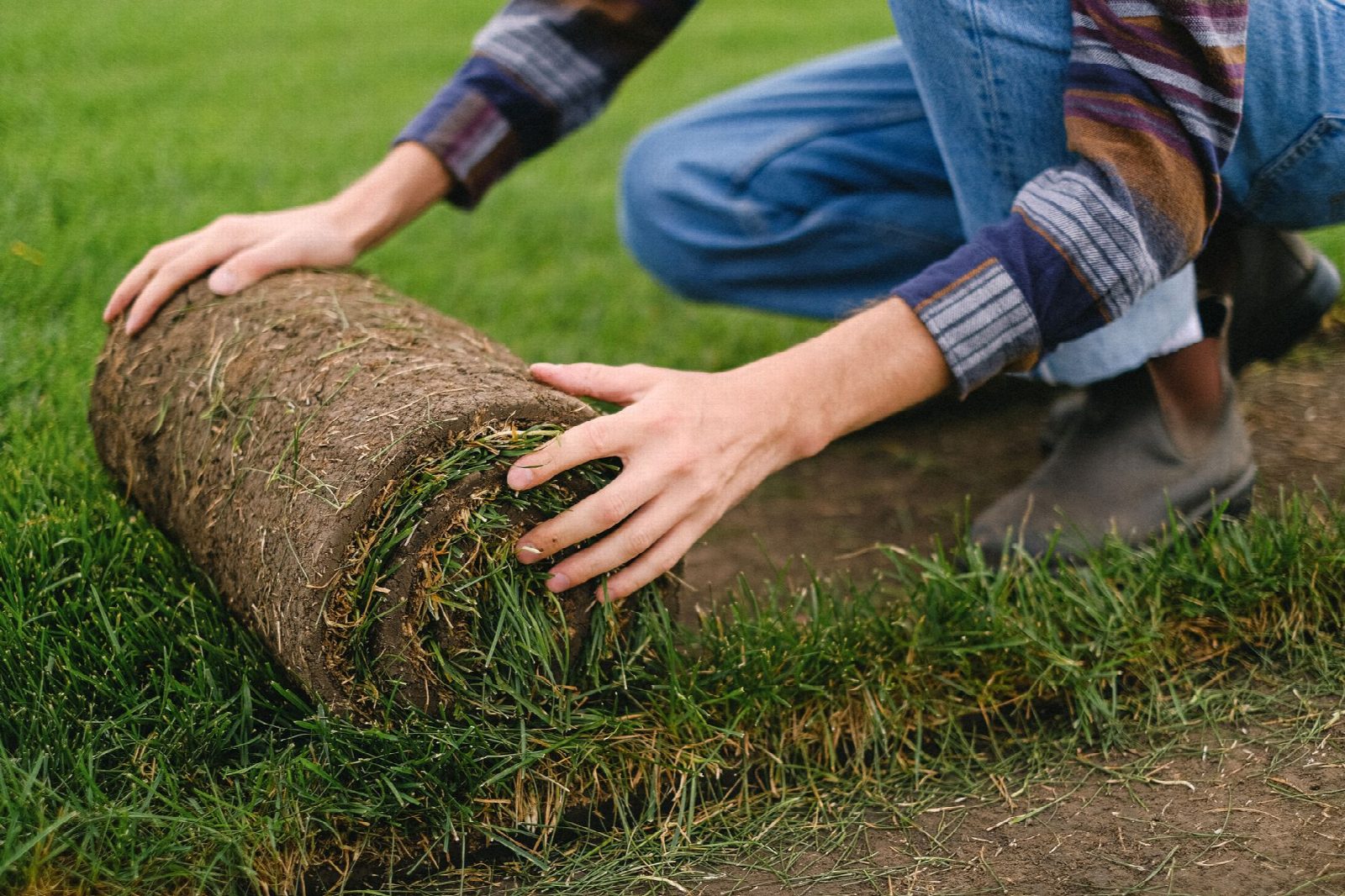
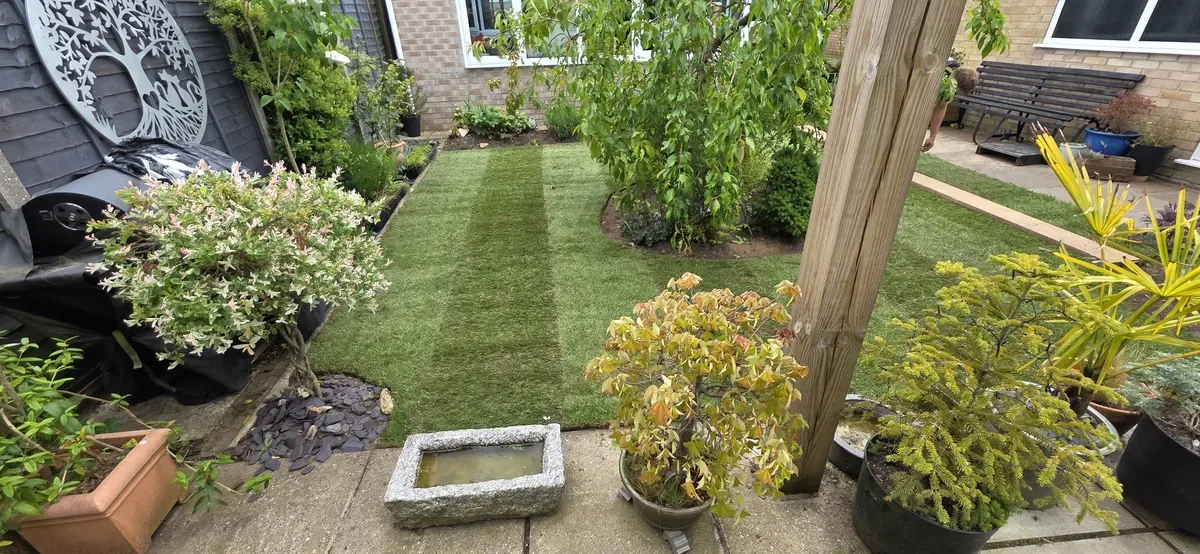
When we assess a lawn that has declined beyond renovation, the process of replacing it properly involves several stages. Cutting corners at any of them tends to store up problems for the future, which is why we take soil preparation seriously before a single turf roll is laid.
Removing the old lawn
The existing grass, weeds and moss need to be fully cleared. Simply laying new turf over old growth is one of the most common reasons new lawns fail early, as decomposing material beneath the turf creates an uneven, unstable base.
Soil preparation and improvement
Norfolk soils vary considerably. Light, free-draining sandy soils in the Broads and coastal areas retain little moisture or nutrition. Heavy clay soils in other parts of the county compact easily and drain poorly. In both cases, improving the topsoil before installation makes a significant difference to how well the new lawn establishes and how long it thrives. Our new lawn installation service includes thorough soil assessment and preparation as a core part of the process.
Levels and drainage
If the existing surface is uneven, this is the right moment to address it. A properly graded and levelled base makes the finished lawn look far better and helps water drain away evenly rather than pooling in low spots. You can find out more about this as a standalone service on our lawn levelling page.
Choosing the right turf
Not all turf is the same. The variety chosen should suit your soil type, the amount of shade the lawn receives, how much wear it needs to tolerate and what level of appearance you are hoping to achieve. Our team selects turf varieties that are well suited to East Anglian conditions rather than simply using whatever is most commonly available.
Aftercare in the early weeks
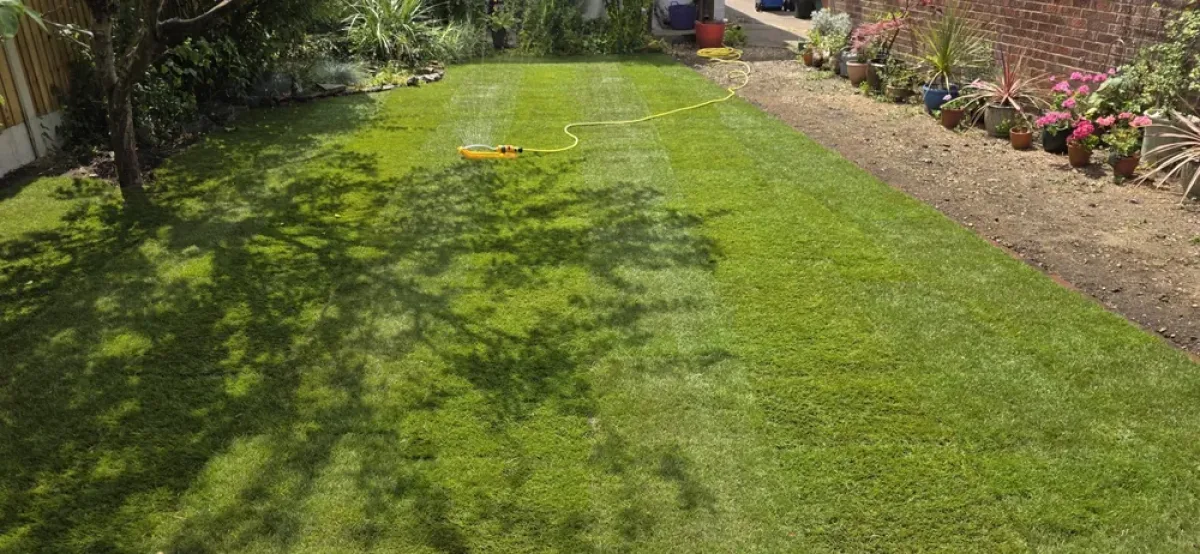
Newly laid turf needs consistent watering during the establishment period, particularly in the drier months. Getting this right makes the difference between a new lawn that roots deeply and one that dries out or lifts at the edges. We always provide clear aftercare guidance as part of any installation.
Serving Norfolk Gardens Across the Region
We work with residential and commercial customers across Norfolk, from Norwich and the surrounding villages out to the coast and the Broads. If you are not sure whether your lawn needs renovation or replacement, we are happy to take a look and give you an honest assessment. You can find out more about where we work on our Norfolk new lawn installation page.
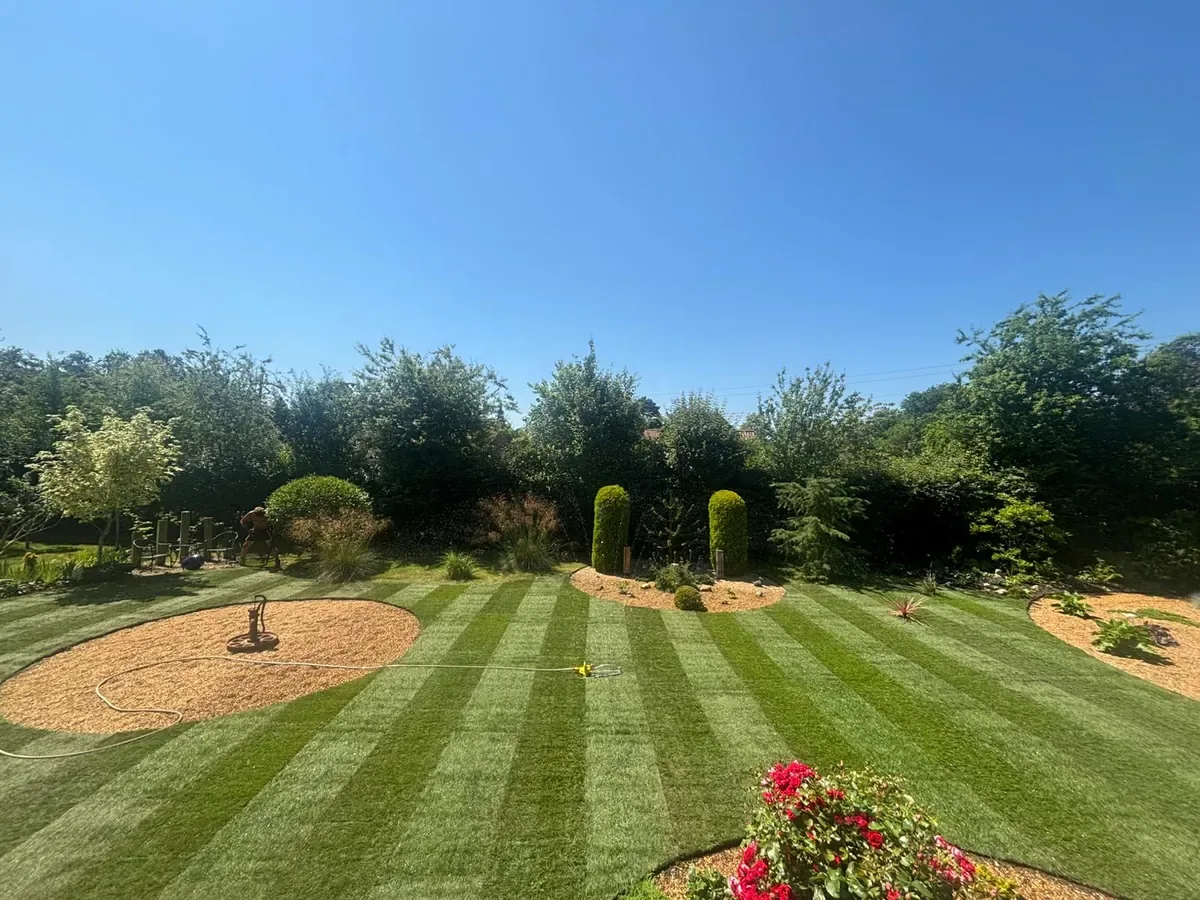
A patchy, weedy or mossy lawn does not have to be something you just learn to live with. With the right approach and proper soil preparation, a new lawn can transform a garden and stay in good condition for many years to come.